Research & publications

Kate Cole OAM contributes to the peer-reviewed evidence base in occupational hygiene, with a focus on airborne hazards, silica exposure, and worker health in high-risk industries. Selected publications are showcased here.

Peer-Reviewed Research Australian and New Zealand Journal of Public Health
Perceptions of respirable crystalline silica exposure in the Australian tunnelling industry: A survey of stakeholders' attitudes to occupational health protections
Kate Cole  ·  Heidi Gilchrist  ·  Tim Driscoll
Tunnelling is vital to Australia's infrastructure but exposes workers to preventable silica dust risks. This study examines worker perceptions to improve safety practices and highlights the need for stronger protections, clearer communication, and consistent enforcement.
Read the article →
Peer-Reviewed Research Annals of Work Exposures and Health
Analysis of the practical effectiveness of respiratory protection programs in preventing over-exposure to respirable crystalline silica in tunnel construction
Kate Cole  ·  Jane L. Whitelaw  ·  Tim Driscoll
This study examines how effectively respiratory protective equipment (RPE) programs prevent silica overexposure on Australian tunnel construction projects. Key findings include insufficient minimum protection levels, absence of fit testing, facial hair interference, and intermittent use — reinforcing why RPE must be treated as a last resort, not a primary control.
Read the article →
Peer-Reviewed Research Annals of Work Exposures and Health
The future burden of silicosis and lung cancer among tunnel construction workers in Queensland
Kate Cole  ·  Renee N. Carey  ·  Tim Driscoll
Prior estimates of occupational exposure to respirable crystalline silica in Australia have not included tunnel construction workers. This paper fills that knowledge gap and calculates that approximately 1 in every 10 tunnel workers is estimated to develop silicosis over their lifetime.
Read the article →

Resources

  • Toolbox Talks

    Free Toolbox Talks

    A series of free toolbox talks on crystalline silica.

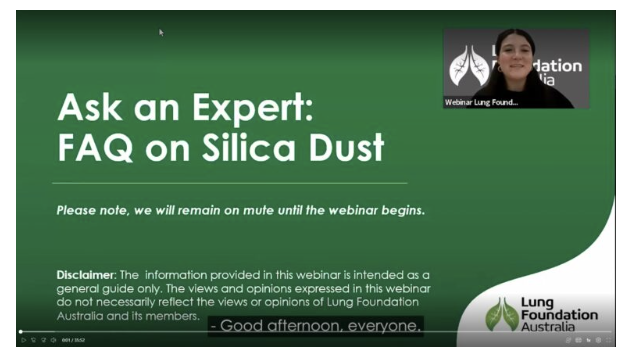
  • Webinar slide titled 'Ask an Expert: FAQ on Silica Dust' with a green background, Lung Foundation Australia logo, and a video thumbnail of a woman speaking.

    Frequently Asked Questions on Silica Dust

    A webinar presented by Kate Cole OAM on behalf of the Lung Foundation Australia

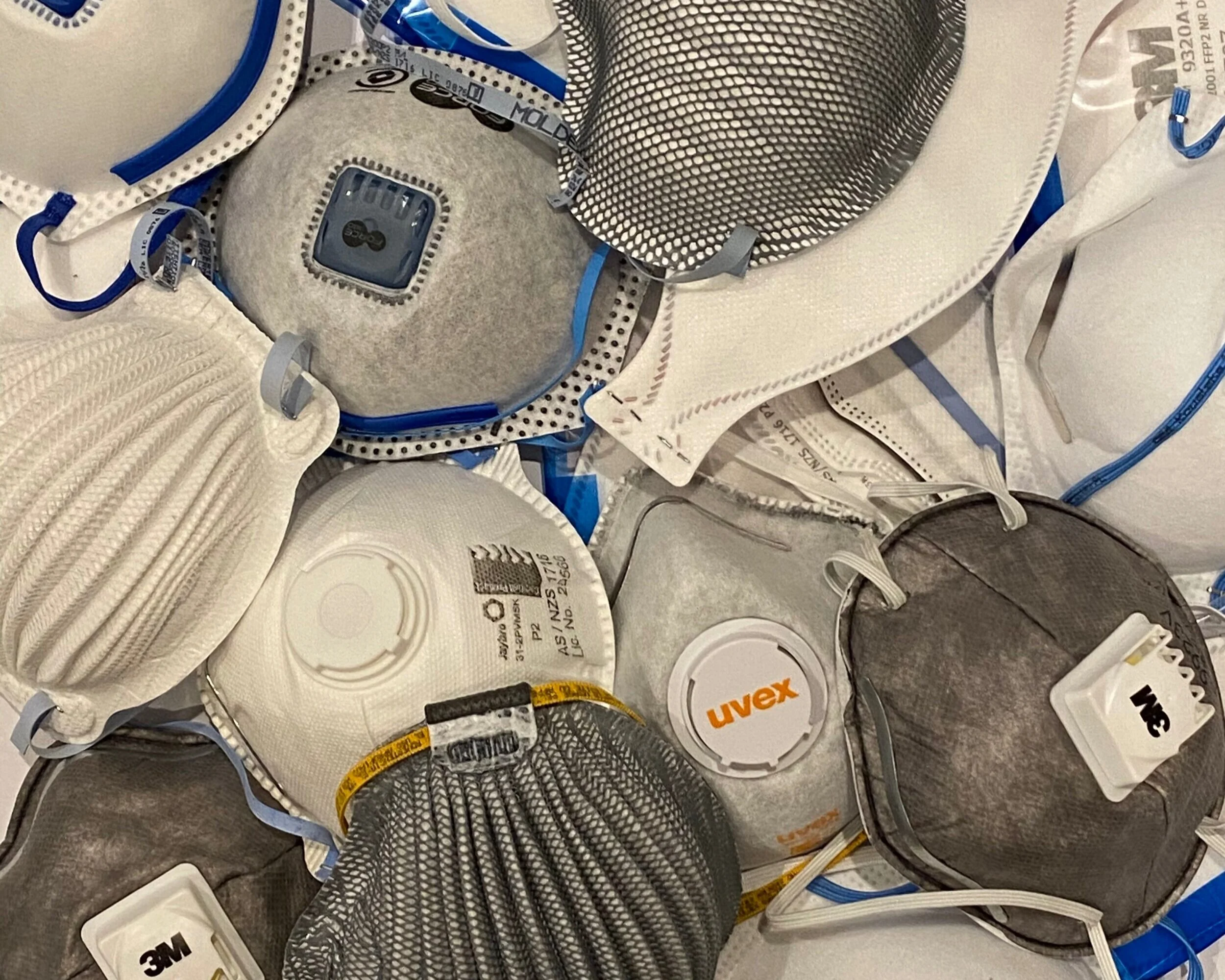
  • A close-up of disposable face masks and other personal protective equipment piled together, including masks with white, black, and gray colors, some with blue and elastic ear loops, and labels like "3M" and "UVEX."

    How do you know if your mask is fake?

    Kate Cole is one of the primary authors of the Guide to Buying P2, or Equivalent, Respirators for Use in the Australian & New Zealand Work Environment.

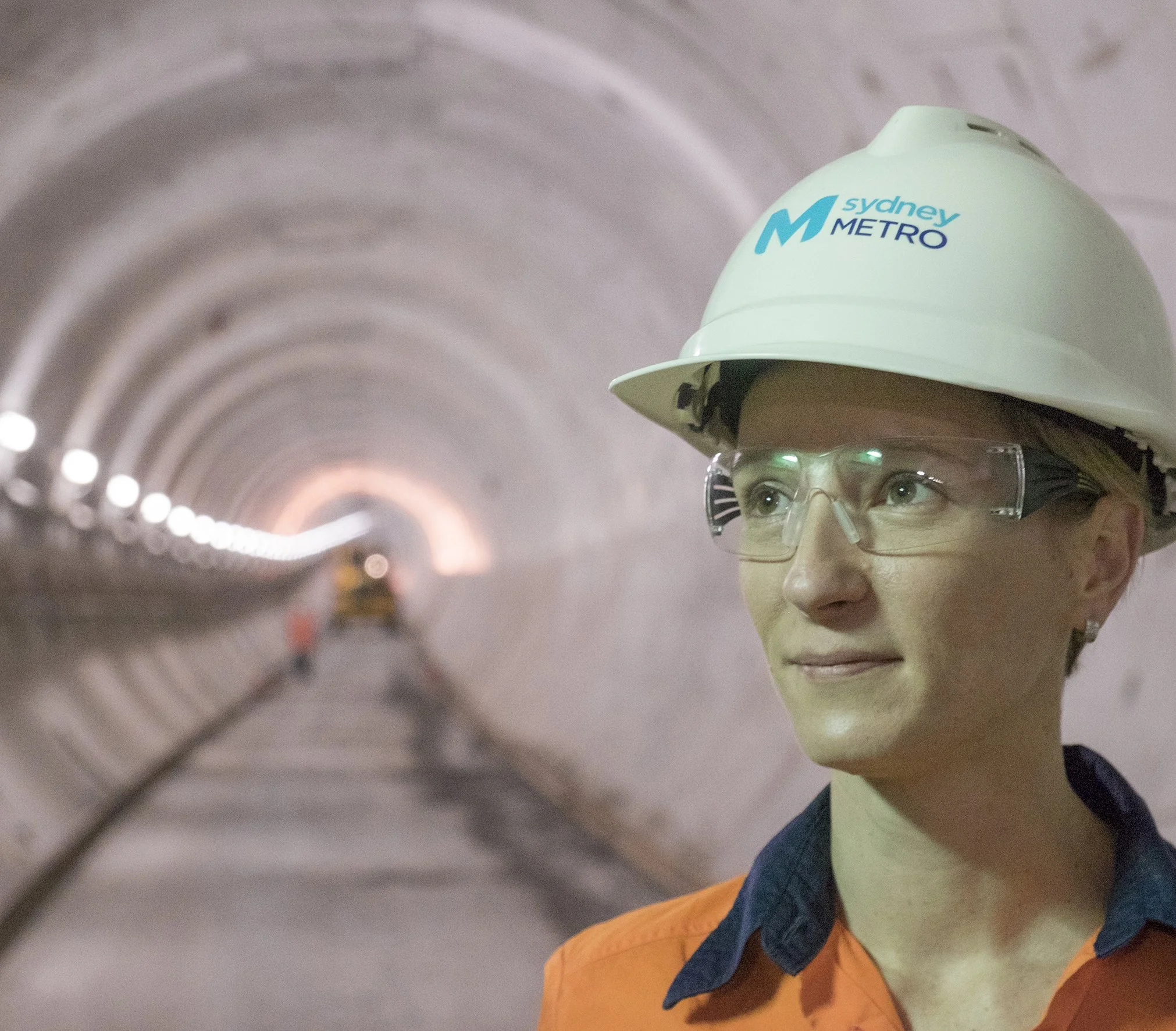
  • A worker wearing a white hard hat with the logo 'Sydney Metro' and safety glasses, standing in a tunnel with a curved, illuminated ceiling.

    Churchill Fellowship

    This fellowship focused on identifying best practice in delivering infrastructure, in particular major tunnelling projects, while preventing occupational illness and disease in the workforce.

  • Electron microscope image of facial hair with silica dust particles attached to its surface, on a dark background.

    Preventing silicosis in tunnel workers

    The instigator & lead of the Australian tunnelling industry’s first Air Quality Working Group which brought together federal and state government, clients, Tier 1 contractors and specialists who collaborated to address the issue of silicosis during tunnel construction.

    The work of the Air Quality Working Group is freely available to access and download.

  • Bar graph titled 'Level of concern regarding over-exposure to respirable crystalline silica (RCS).' The x-axis shows concern levels from 1 (not concerned) to 5 (extremely concerned). The y-axis indicates the number of respondents. Bars show 0 for level 1, 9 for level 2, 20 for level 3, 42 for level 4, and 33 for level 5.

    How well is silica dust managed in Australian workplaces?

    This webinar reports on the findings of a national survey of occupational hygienists of their experiences across three key industry sectors (engineered stone; construction & tunnelling; and mining & quarrying) on exposures to silica dust.

  • Digital illustration of transparent spheres containing green and pink virus particles, resembling the coronavirus, floating in a blurry background.

    Preventing COVID 19 infection from airborne transmission

    A joint webinar between ABSANZ and the Australian Institute of Occupational Hygienists

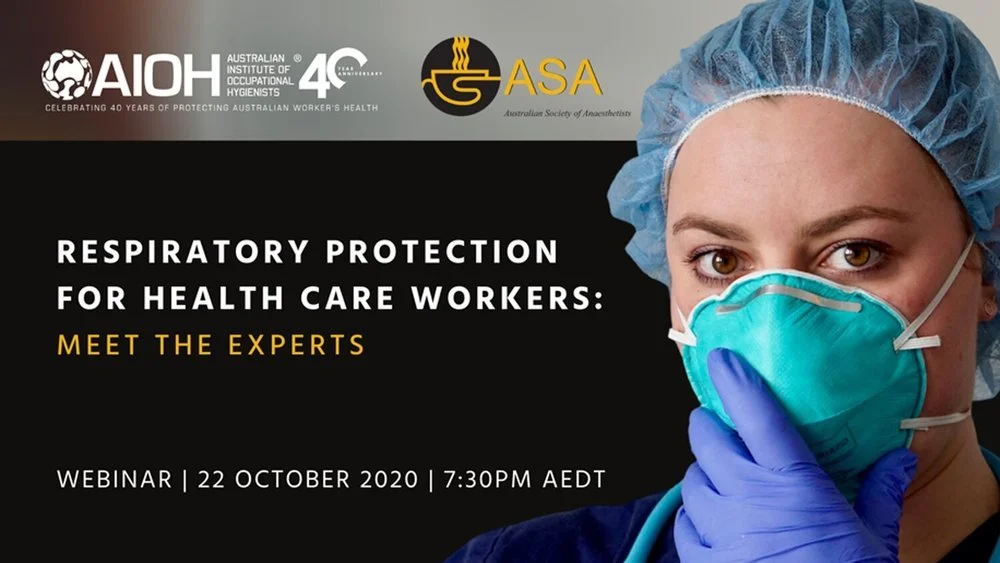
  • A healthcare worker with blue eyes wearing a medical cap, blue gloves, and a teal face mask, holding her mask with her gloved hand.

    Respiratory Protection for Health Care Workers

    A collaborative initiative by the Australian Institute of Occupational Hygienists and the Australian Society of Anaesthetists, this webinar explains the basics of respiratory protection and answers some of the most commonly asked questions by healthcare workers